Meet the Founder
Arabhi Panchacharam
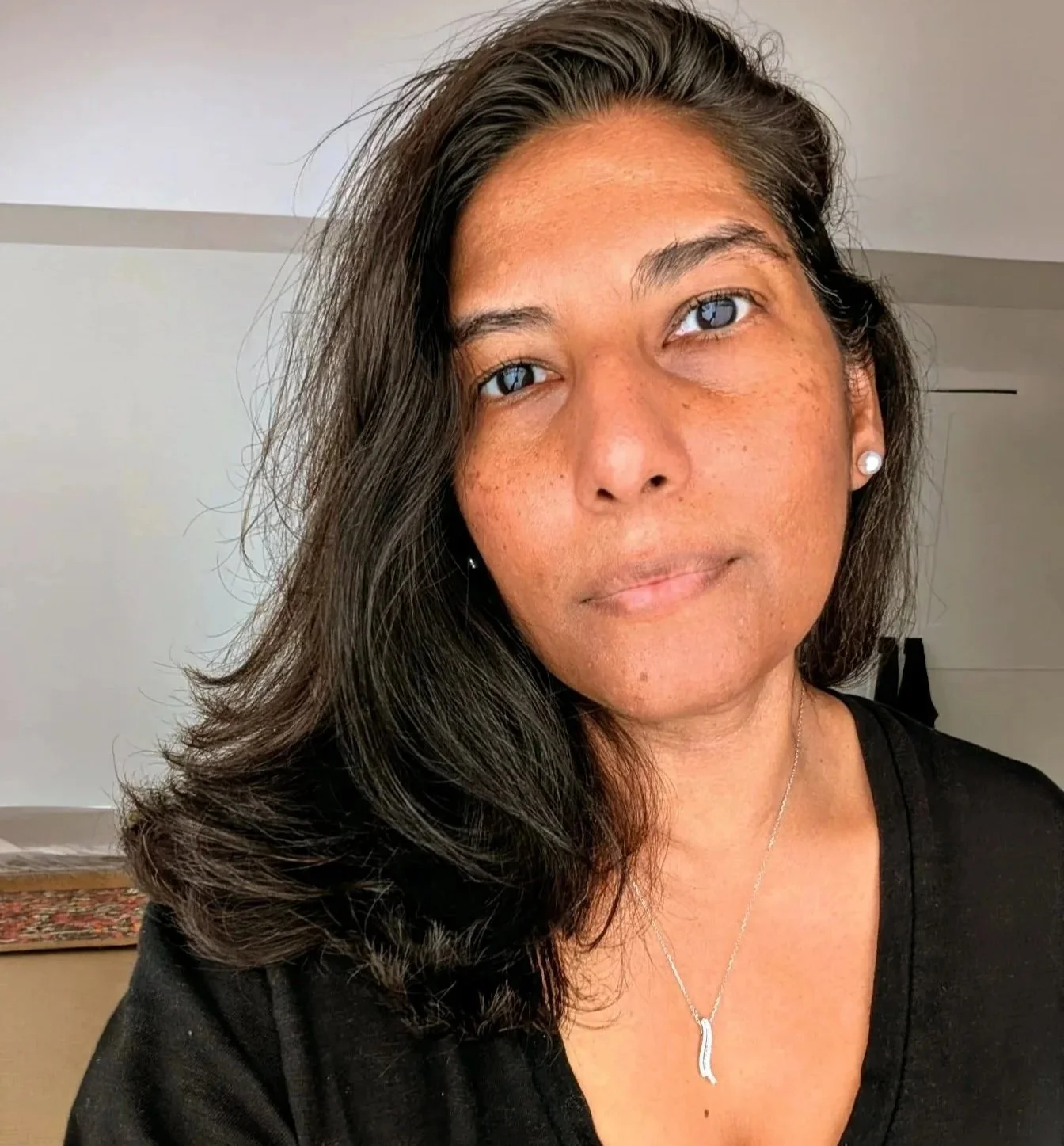
My Journey: The Experiences That Shaped Me
I share the circumstances of my earliest beginnings because I know that some adoptees carry questions about abandonment, separation, orphanage care, and the parts of their personal histories they may never fully know.
Although our stories and experiences may be very different, I understand what it means to live with unanswered questions about one's beginnings. I also recognize that not every adoptee experiences those questions in the same way.
I don't share my story because I have all the answers. I share it in the hope that someone reading it might recognize a small part of their own experience and feel a little less alone.
Growing up, my brother and I struggled with things we didn't always have the words, understanding, or tools to express. We faced challenges in school, friendships, family relationships, and sometimes with one another. Beneath what others may have seen as difficult behavior were complicated emotions, unanswered questions, and experiences we were still trying to make sense of ourselves.
Our parents loved us and wanted the best for us. But like so many families of that generation, they hadn't been given the education, resources, or guidance to fully understand the emotional complexities of adoption or how those experiences might shape our relationships, identities, and sense of belonging.
In many ways, we were all learning as we went.
Over the years, my brother and I worked with several mental health professionals. Although professional support was important, we often struggled to establish the connection and understanding we needed. The complexities of our adoption experiences, cultural backgrounds, family traditions, and expectations were not always recognized or explored in ways that resonated with us.
Our struggles were not simply behavioral. There were emotional experiences beneath the surface that deserved curiosity, compassion, and a deeper understanding of how adoption had shaped our lives.
Over the course of approximately eleven years, I experienced the loss of both my parents and my brother. Navigating life without them has brought another dimension to my understanding of family, connection, grief, and belonging.
These experiences have deepened my appreciation for the importance of having people we can turn to throughout life's transitions. For adoptees, questions about family, personal history, cultural identity, and belonging don't necessarily end in childhood. They can evolve, resurface, or take on new meaning as our lives change.
What We Needed: The Inspiration Behind Little Blue Nook
As children, young adults, and even well into adulthood, my brother and I often needed someone to help us make sense of feelings and experiences we couldn't always put into words. Someone who could listen, reflect those feelings back to us, offer perspective, and help us navigate relationships, expectations, and the complexities of being adopted.
Sometimes, we didn't need someone to fix everything. We needed someone to listen, to reflect our big feelings back to us, and to help us understand what we couldn't yet articulate.
I believe our parents could have benefited just as much from having someone to turn to—someone they could ask questions of, share concerns with, and receive thoughtful, practical guidance from as they navigated the challenges of raising two adopted children with vastly different beginnings, personalities, and emotional needs.
Perhaps having that additional perspective could have helped all four of us better understand one another, communicate more openly, and navigate some of life's challenges with greater compassion and confidence.
I don't believe we necessarily needed another formal appointment or another professional title in our lives. What we longed for was something less formal and more approachable.
A person who felt a little like an older brother or sister—someone who had been there, understood some of the complexities, and was willing to lend an ear without judgment.
A trusted connection that could help us when we were overwhelmed, put words to our feelings, offer a different perspective, or simply remind us that we weren't alone in what we were experiencing.
Not another clinician. Not a replacement for therapy. Simply another person in your corner.
These experiences are at the heart of Little Blue Nook. I often think about how meaningful it might have been for my brother, my parents, and me to have someone we could turn to informally—someone willing to listen, offer perspective, help us better understand one another, or simply check in from time to time.
That is the kind of connection I hope to offer through Little Blue Nook: an additional, approachable source of guidance and support that complements the important work of clinicians and other professionals throughout the lifelong adoption journey.
I recognize that no two adoption journeys are alike. My story is one perspective, not a universal experience. I don't presume to know exactly what another adoptee or family is going through simply because I was adopted, too.
What I can offer is an understanding of some of the complexities, a willingness to listen, and a genuine commitment to meeting people where they are.
My hope is that Little Blue Nook becomes a place where adoptees feel heard, families feel supported, and professionals find a valuable lived-experience perspective that strengthens the care and guidance they provide.


Why Little Blue Nook?
Because sometimes, a meaningful connection begins with a simple conversation.
Adoption is not simply a moment in time. It is a lifelong experience that can influence how we understand family, relationships, personal history, cultural identity, and belonging.
Questions and emotions may emerge in childhood, continue through adolescence, and take on new meaning in adulthood. Sometimes these experiences are easy to discuss. Other times, they're difficult to explain, even to the people closest to us.
Little Blue Nook grew from a deeply personal belief that there can be tremendous value in having an approachable, understanding person to turn to along the way.
Someone who listens without judgment, offers perspective, helps us consider different ways of approaching a situation, or simply checks in from time to time.
For adoptees, that may mean having a welcoming space to share experiences, ask questions, or talk through something that feels complicated.
For parents and families, it may mean hearing an adult adoptee's perspective, asking questions they may not feel comfortable raising elsewhere, or exploring ways to better understand and communicate with their loved ones.
For clinicians and other professionals, it may mean having access to an additional lived-experience perspective that can complement the expertise, care, and support they already provide.
Little Blue Nook is not intended to replace therapy, clinical treatment, or other professional services. Rather, it offers a different kind of connection: informal, compassionate, non-clinical guidance rooted in lived experience.
We believe there is room for both professional expertise and personal perspective, working respectfully alongside one another.
A little space to talk. A little room to reflect. A meaningful connection when it matters.
That's why Little Blue Nook exists.
Our Mission
To provide compassionate, adoptee-informed guidance and steady, approachable support to adoptees, families, and professionals throughout the lifelong adoption journey.
Rooted in lived experience and strengthened by ongoing education, Little Blue Nook creates space for meaningful conversations, greater understanding, and connection surrounding personal history, cultural identity, relationships, and belonging.
Through individualized support, thoughtful collaboration, and access to resources, we aim to complement the important work of clinicians and other professionals while respecting each person's unique experiences, needs, and pace.
Our Vision
A world where adoptees feel heard, families feel supported, and professionals recognize the meaningful contributions of lived experience in fostering greater understanding and connection.
We envision a community where compassionate guidance is approachable, individual stories are respected, and people have opportunities to find meaningful support throughout the many stages of the adoption journey.
Where professional knowledge and lived experience are valued together, and every voice has a place.